Editor’s note: This article contains content that may be disturbing for some readers.
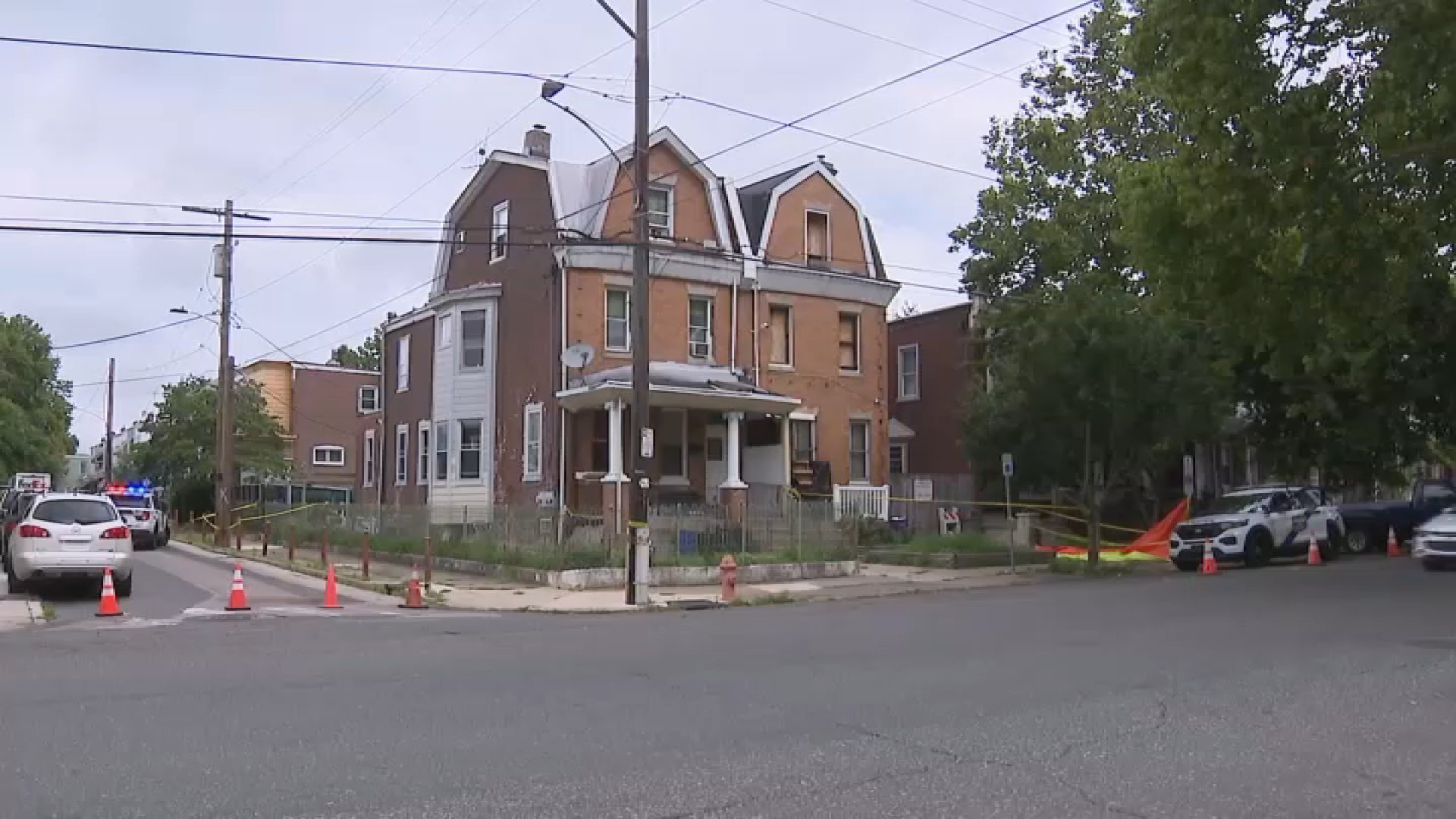
Seven missing women are connected to a mystery house in Philadelphia’s Olney neighborhood, police and the FBI said Wednesday, and investigators now believe five of those women are deceased.
The conclusion comes after authorities recovered more than one million digital images and videos connected to Raymond “R.C.” Horsch, who died in 2025 at age 82. Horsch was never charged in connection with any of the women’s disappearances.
Despite months of searching the property, police said they have not recovered human remains or other physical evidence proving a homicide occurred inside the home.
Officials said they have reviewed about 30% of the digital evidence and still have hundreds of thousands of files left to examine.
On Wednesday, police said they had identified 58 people in photos and videos recovered from the Chew Avenue property. Investigators say the files depict women in a variety of situations and are continuing to be analyzed.
The Philadelphia Medical Examiner’s Office said it reviewed images involving three additional women and advised investigators that, if the images are authentic and unaltered, the women depicted appear to be deceased.
Deputy Commissioner Frank Vanore said metadata connected to files involving three of the women indicates the videos were created in 2017.
Still, investigators have cautioned that digital evidence alone is not enough to prove a homicide and that additional corroborating evidence remains necessary.
What we know about the 7 women
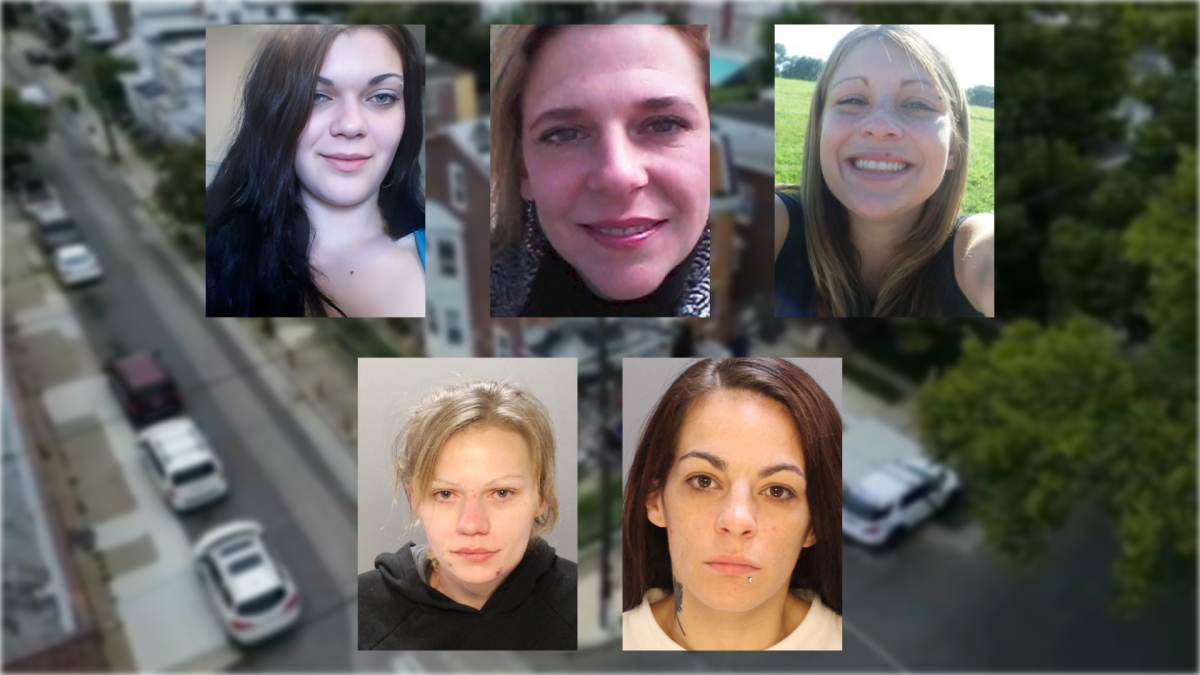
Police say seven missing women have been connected to the house over a span of more than a decade.
Gabrielle Amarando was in her early 20s when she disappeared in 2012. In a Facebook post, her mother said Amarando suffered from “a drug addiction that she couldn’t escape.” Citing digital evidence, police believe Amarando is deceased.

Amy McHale was in her mid 40s when she disappeared in 2016. She was married to R.C. Horsch before divorcing him. Her daughter told NBC10 that McHale was actively using heroin and receiving methadone treatment at the time she vanished. According to her daughter, McHale was last seen at the West Chew Avenue home.
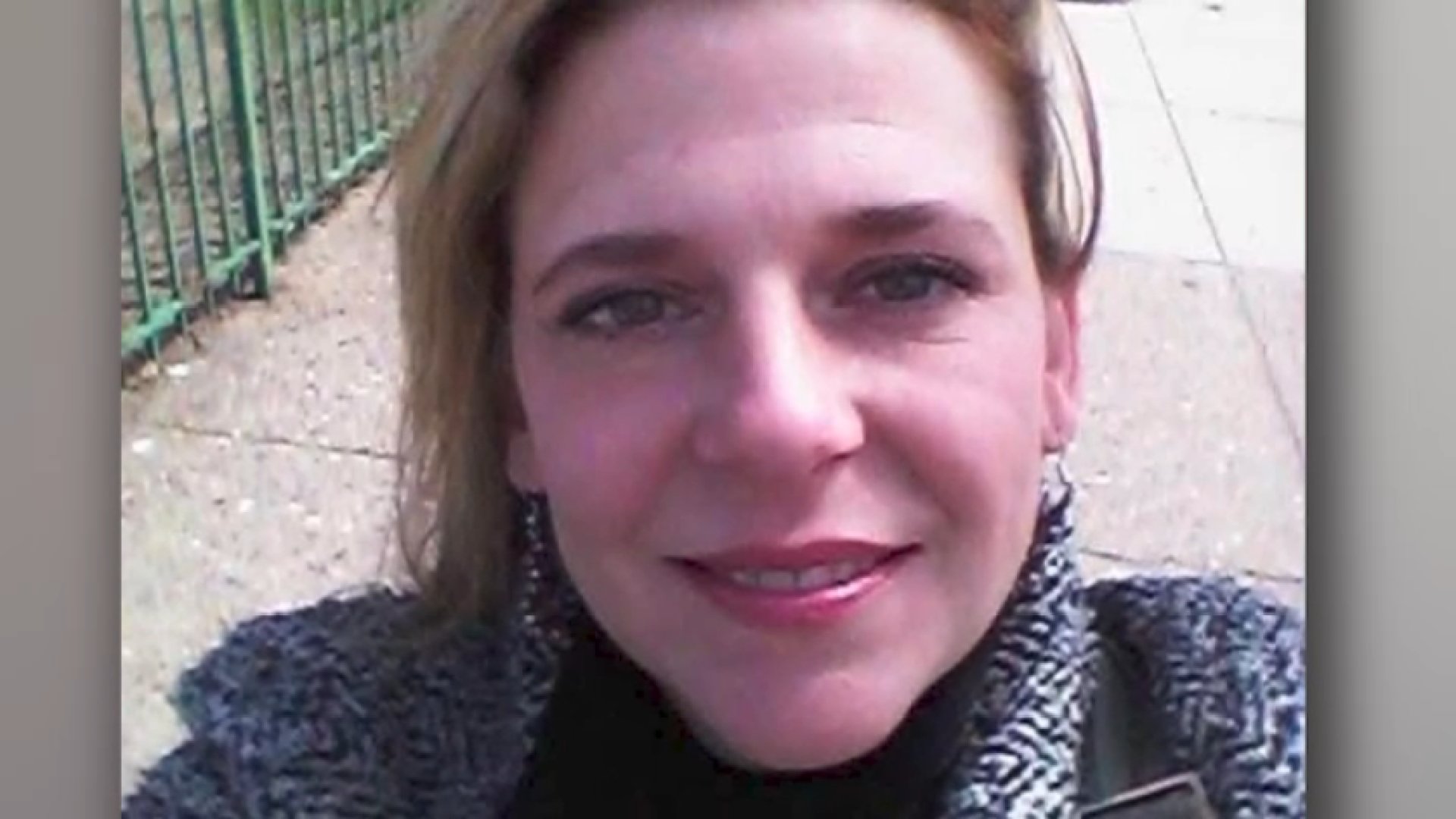
Maribel Fresses was in her early 20s when she was reported missing in 2018.
“My first reaction was pure shock,” her brother, Dawson Fresses, told NBC10. “It’s been eight years since I’ve seen her. Hearing that, I just couldn’t believe it. I had gotten to the point where I thought I might never find out what happened to her.”
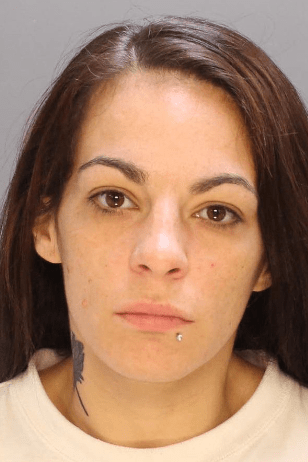
Citing digital evidence, police believe Fresses is deceased.
Nicole Fusaro disappeared in 2018 at age 27. A family member told the NBC10 Investigators that police believe they have video showing R.C. Horsch strangling her. Fusaro was last seen near Kensington and Allegheny avenues, about four miles from the Chew Avenue home.
While police have not named her publicly, she is one of the women they suspect is deceased.
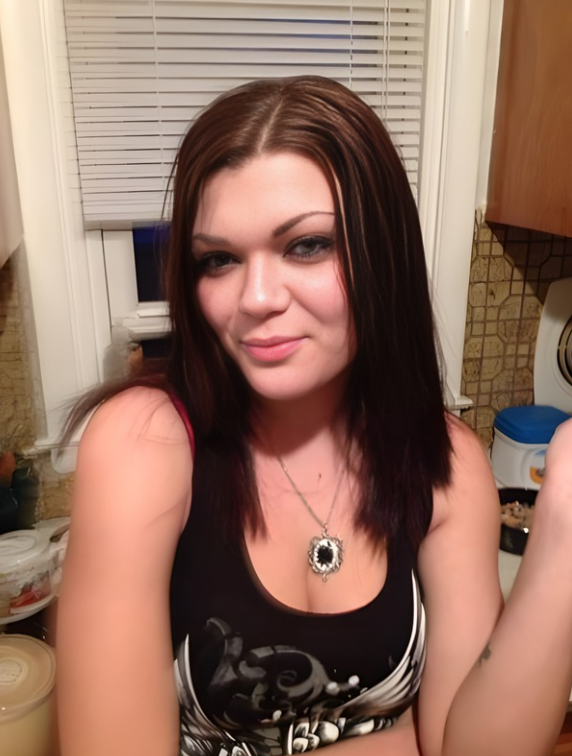
Blair Tonzelli was 35 when she disappeared in 2023. Police said a woman who was with Eugene Horsch at the time of his June arrest was carrying Tonzelli’s identification card.
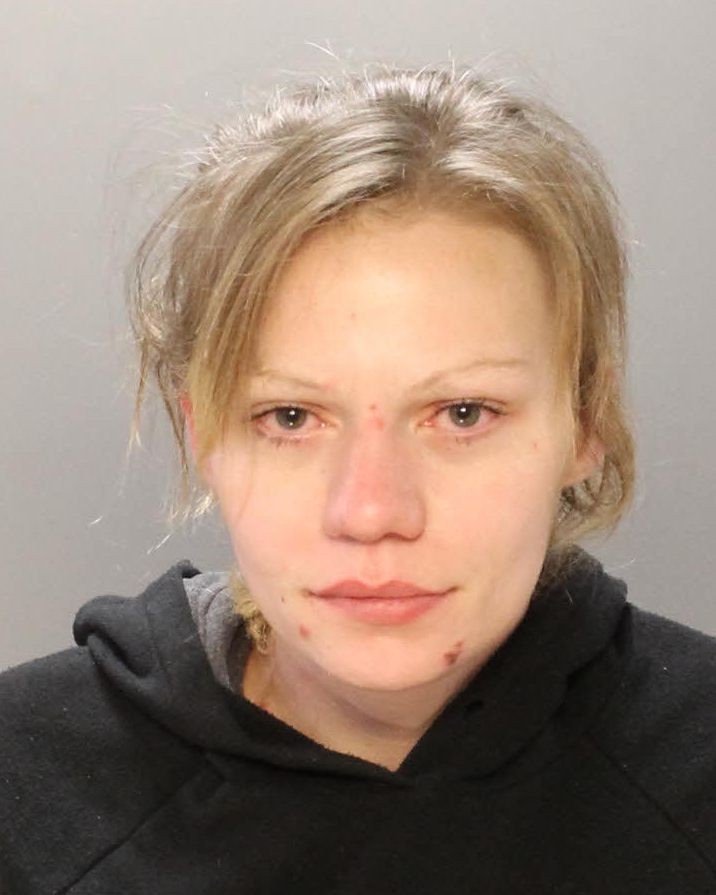
Police also say a sixth woman, who appeared to be about 25 years old in the recordings, is believed to be deceased. Authorities declined to release her identity at her family’s request.
A seventh woman, identified only as Jane Doe, also appears deceased in the evidence, police said. Her identity remains unknown though investigators estimate she was in her 20s.
The investigation at the Chew Avenue home
The investigation has increasingly centered on Raymond “R.C.” Horsch, a photographer and filmmaker who produced violent fetish films and wrote erotic books with sadomasochistic themes.
Police say they recovered a massive collection of digital files connected to R.C. Horsch and are examining whether the material could help explain what happened to the missing women.
Authorities have stressed that R.C. Horsch was never charged in connection with any of the disappearances before his death in 2025.
The investigation began in June when federal authorities arrested R.C. Horsch’s son, Eugene Horsch.
Officials said investigators found Eugene Horsch carrying fake federal credentials and other items, leading authorities to search the Chew Avenue home he inherited after his father’s death.
What began as a federal investigation quickly expanded after law enforcement uncovered an enormous archive of photos, videos and electronic devices inside the property.
Investigators are still awaiting the results of testing on chemicals recovered from the basement of the home.
Sources familiar with the investigation told the NBC10 Investigators that authorities are trying to determine whether any of the chemicals could have been used to destroy evidence or dissolve human remains.
Police have not publicly discussed the results of that testing.
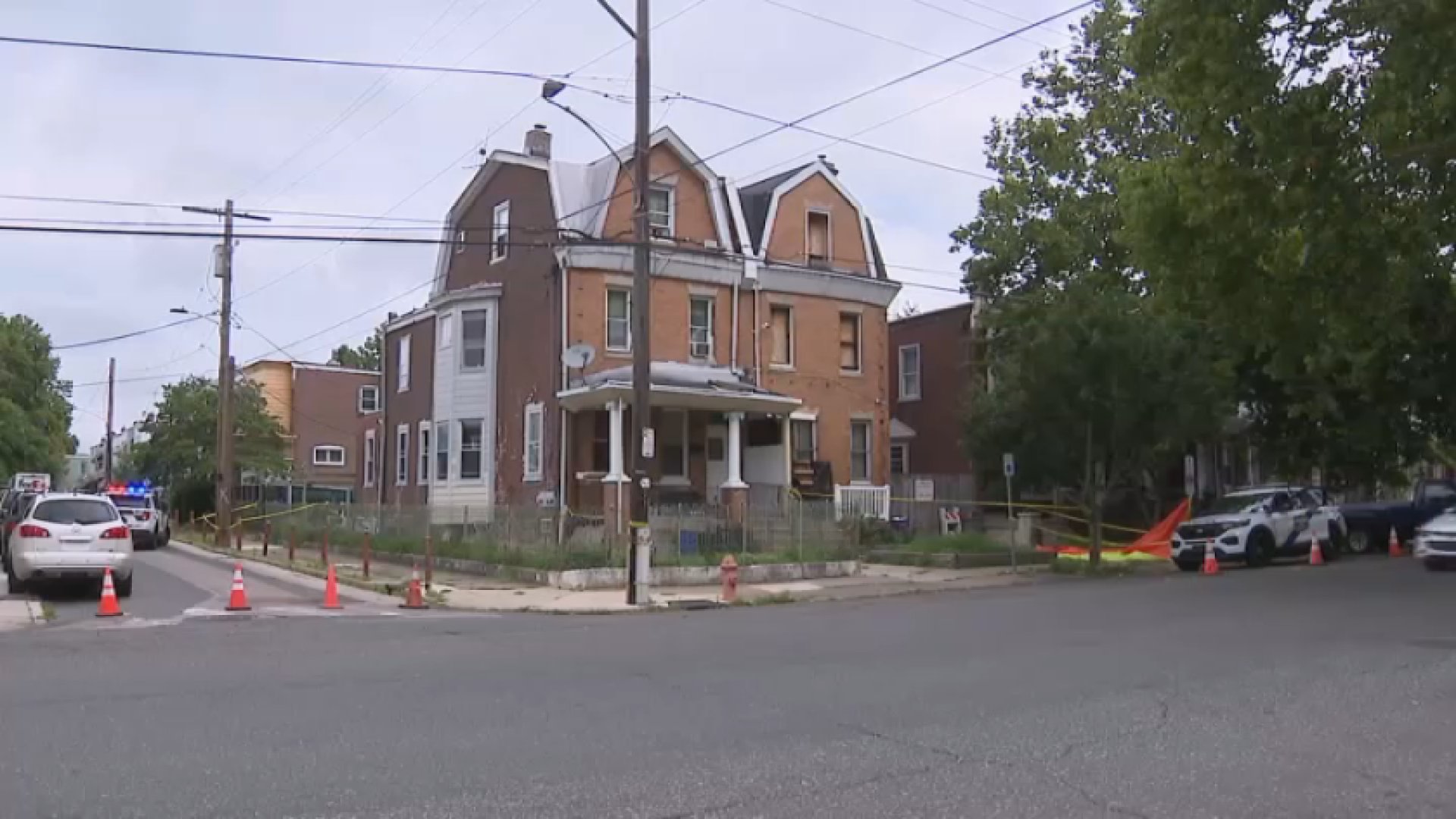
Perhaps the biggest unanswered question remains whether physical evidence exists to corroborate what investigators believe they are seeing in the digital files. Investigators also found evidence suggesting an attempt to grow or produce narcotics.
Among the items seized during raids this summer was a piece of writing about serial killer Ted Bundy that referenced zip ties and a drum, a source familiar with the investigation told NBC10. The note also mentioned killings and “trash that needs to go.”
It remains unclear who wrote it, though Eugene Horsch’s attorney suggested in an earlier conversation that Ray Horsch was the author.
To date, authorities say no human remains have been recovered from the property.
On July 9, 2026, the NBC10 Investigators learned that a federal grand jury indicted Eugene Horsch on charges related to false FBI credentials.
At a preliminary hearing on Aug. 6, 2026, Pennsylvania prosecutors withdrew all five state charges against Eugene Horsch, 44, stemming from the investigation that led authorities to search the Olney home.
Eugene Horsch still faces federal charges of possession of a firearm by a felon and possession of an unlawfully produced document and authentication feature.
After those charges were filed, Eugene Horsch was transferred to federal custody. A jury trial is scheduled for January.
Anyone with information is asked to call Philadelphia police at 215-686-TIPS (8477). To speak directly with a homicide investigator, call 215-686-3334.
Nicole Fusaro’s cousin releases statement
Following Wednesday’s press conference, Jonathan Halloran-Koren, who said he is the cousin of one of the missing women, Nicole Fusaro, released the following statement criticizing the Philadelphia Police Department:
This morning, my family met with detectives from the Philadelphia Police Department regarding the death of my cousin, Nicole Fusaro. After that meeting, and after watching the department’s press conference later today, I am appalled by the way our family has been treated and by the complete lack of basic dignity and consideration shown to us as the family of a homicide victim.
During the meeting, I asked to speak privately with the detectives because I wanted to share information I had developed while investigating Nicole’s disappearance. I was told, “We are only here to give a next of kin notification.” I was also told, “We are aware you are trying to advocate for other victims.”
I have spent years advocating for victims and people who feel their voices are not being heard. I never imagined I would find myself having to do the same thing for someone in my own family. I find it deeply disturbing that, during a meeting about the killing of my cousin, my advocacy for other potential victims was brought up at all—particularly while the detectives were simultaneously unwilling to hear information I believed could be relevant to Nicole’s case. Whatever the reason for that comment, advocacy on behalf of victims should never be treated as a problem.
Then, just hours later, I watched a televised press conference and learned details about how Nicole was killed, including details of her strangulation, that had not been shared with our family that morning.
There is simply no excuse for a family having to learn details about the killing of someone they love from television after meeting face-to-face with the detectives investigating her death.
What happened today has made clear that our concerns can no longer be addressed by simply asking the Philadelphia Police Department for answers. I am assembling a team to conduct an independent and comprehensive investigation into the handling of Nicole’s case, beginning with her original missing-person investigation and continuing through the events of today. That review will examine the actions and failures of the department, whether Nicole and our family were afforded the protections required by law, and whether any of those failures constitute violations of federal civil-rights laws or other legal obligations.
This will not end with an internal complaint to the Philadelphia Police Department. The evidence and our findings will be formally submitted to the U.S. Department of Justice Civil Rights Division with a request for independent review and consideration of any appropriate civil or criminal investigation or enforcement action. Where supported by the evidence and the law, we will also pursue private civil litigation.
We intend to use every lawful avenue available to determine what happened, who was responsible for the decisions that were made, and whether those decisions violated the law.
Nicole deserved to have people fighting for her when she was missing. She deserves people fighting for her now. I intend to make sure that happens.
NBC10 later obtained the following statement from Philadelphia Police in response to Halloran-Koren:
Our deepest sympathy remains with every family whose loved one may be connected to this extraordinarily complex and deeply troubling investigation. Working alongside the FBI and our other partners, investigators continue to review and authenticate more than one million digital files, pursue every lead, work to locate the missing women, and provide verified information to their families as responsibly and compassionately as possible.
Prior to PPD’s 9/16/26 Press Conference, PPD Homicide detectives traveled to northern New Jersey to speak with additional family members regarding information relevant to the investigation. Out of respect for those involved, we will not publicly discuss the details of that private conversation.
During the 9/16/26 briefing, the Department provided an update on the broader investigation but did not publicly identify either of the two additional women. This was consistent with requests made by their families during the official next-of-kin notification process.
Anyone with information relevant to this investigation is encouraged to contact the Homicide Unit at 215-686-3334.
The NBC10 Investigators can also be reached at david.charns@nbcuni.com and ali.ingersoll@nbcuni.com.