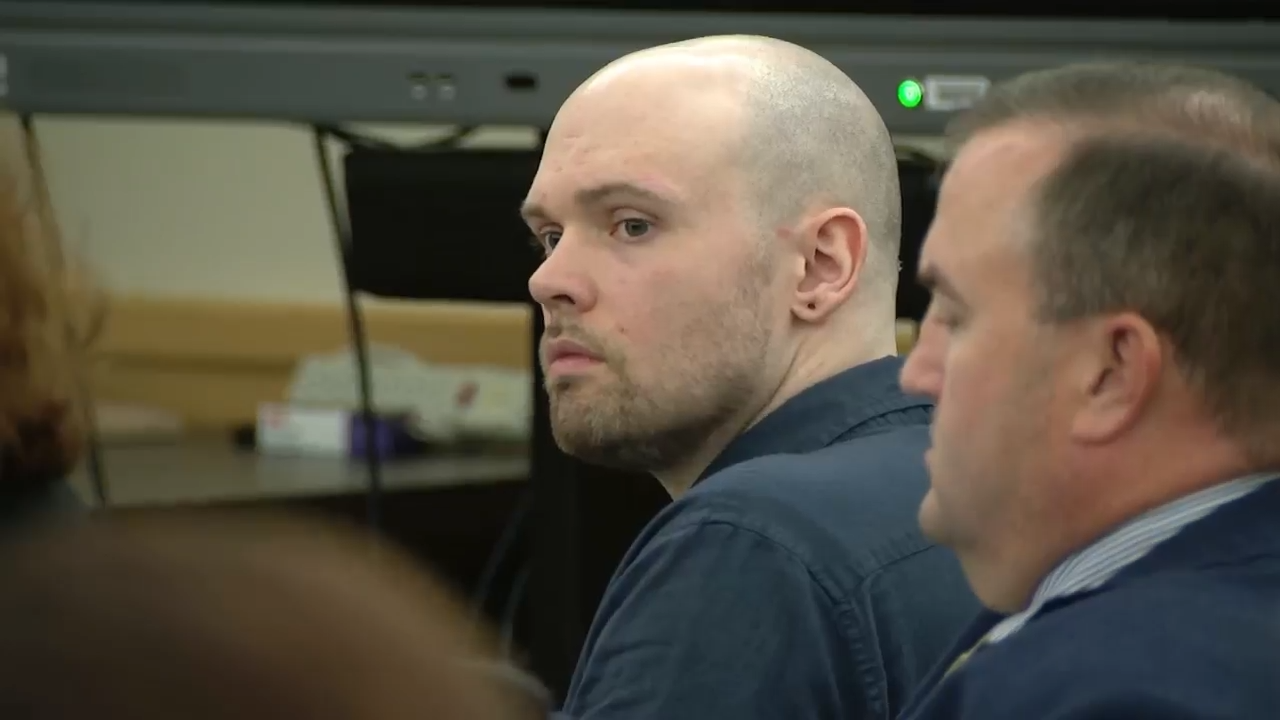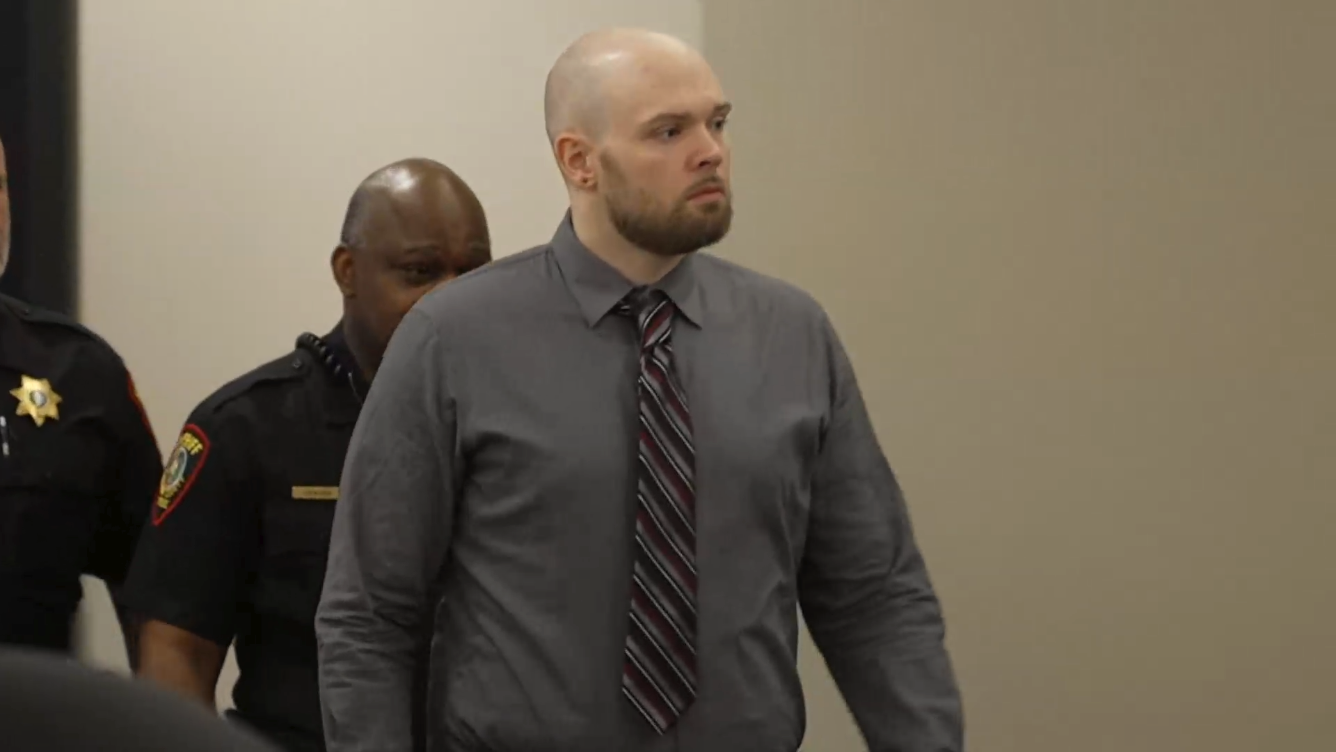
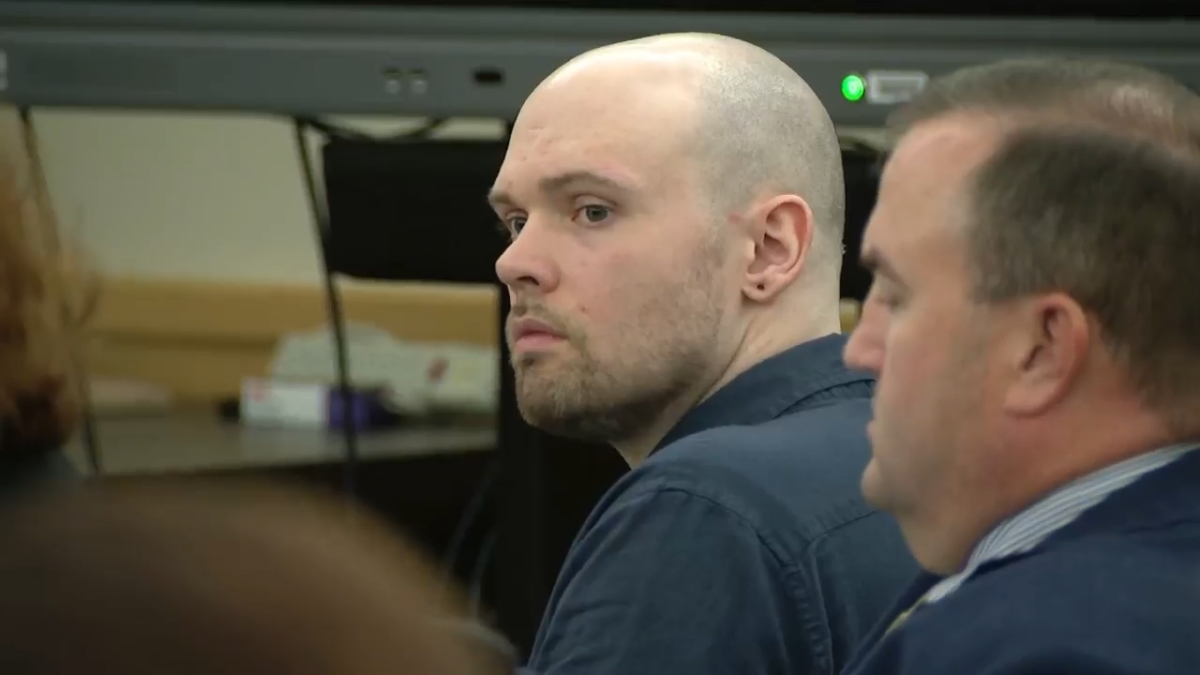
Tanner Horner’s request for a new murder trial has been denied by a Tarrant County judge.
Horner pleaded guilty to capital murder earlier this year, and a jury sentenced him to death for the 2022 murder of 7-year-old Athena Strand. Last month, Horner’s attorneys argued that widespread media coverage of the case intimidated key witnesses, who later refused to testify, and made it impossible for Horner to receive a fair trial. Judge George Gallagher disagreed and opted not to sign the order, automatically denying the motion.
The denial of a new trial does not mean that Horner’s automatic appeal has been denied. Under the Texas Rules of Appellate Procedure, a death penalty sentence triggers an automatic direct appeal, and filing a motion for a new trial merely extends the formal deadline for filing the necessary appeal paperwork. If the Texas Court of Criminal Appeals affirms Horner’s sentence, he can appeal to the United States Supreme Court for review.
The death penalty appeals process can involve two phases: a direct review and habeas corpus proceedings. The direct review is limited to the record from Horner’s first trial. His defense attorneys will argue that an error occurred during the initial proceedings and that his conviction should be overturned.
During habeas corpus proceedings, new evidence and testimony can be introduced. The trial court will review the new evidence and recommend to the Court of Criminal Appeals whether to overturn the sentence.
During the capital murder trial, the jury heard a chilling audio recording of Strand’s abduction and murder taken from within Horner’s delivery van. Horner covered the camera before attacking the girl, but the microphone still recorded about an hour’s worth of audio.
The jury also heard gruesome testimony from the investigators who interviewed Horner in the days after the girl’s disappearance and about their search and recovery of her body.
Horner’s defense team told the jury about the defendant’s upbringing, highlighting his own abuse and mental health challenges, and argued his life should be spared because he would no longer be a threat in prison.
After 19 days of testimony, both sides rested their cases on May 4, 2026. The jury reached its final decision about Horner’s fate after about two and a half hours of deliberation.