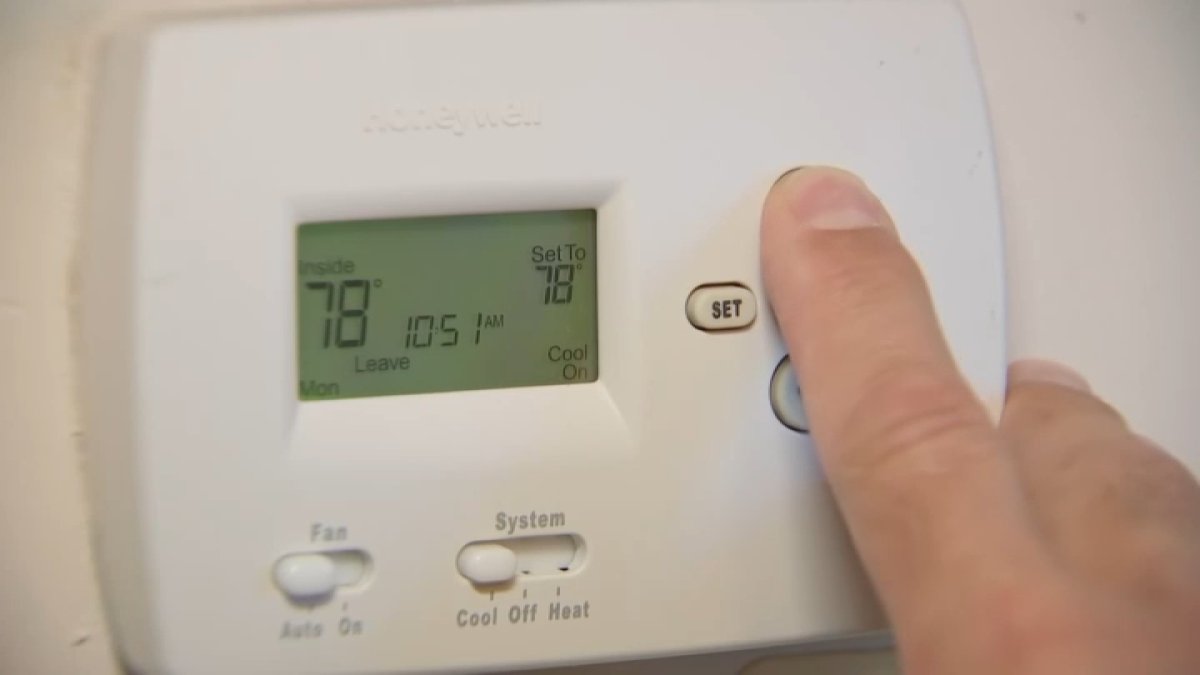
Without signals that legislative negotiators are close to agreement on a long-debated energy affordability bill and as some Bay State households get ready to turn the heat back on, Massachusetts Gov. Maura Healey said Wednesday that her administration is discussing “relief we can provide to people” heading into fall and winter.
Energy policy negotiations have been some of the trickiest for lawmakers to settle in recent sessions, and the divide between the affordability-focused bills the House and Senate passed this winter and summer has presented a daunting challenge. House and Senate negotiators took their major differences into closed conference committee talks at the end of July and informally set a goal of reaching compromise by the November elections.
Healey, who initiated much of the energy affordability debate when she filed a bill of her own last year and who is running for a second four-year term this fall, has repeatedly called on the Legislature to send her an energy bill as quickly as possible. She repeated those calls Wednesday on GBH Radio.
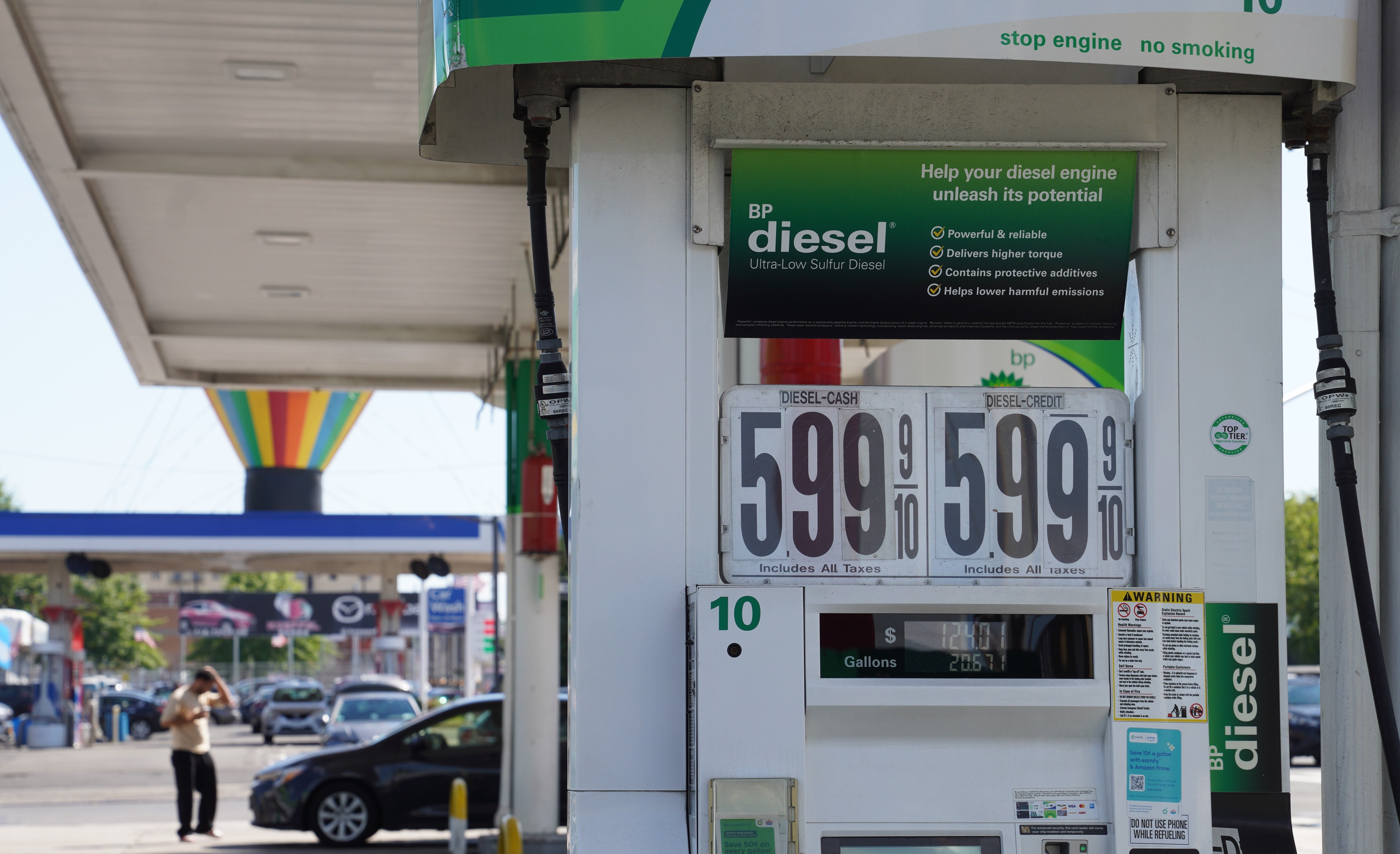
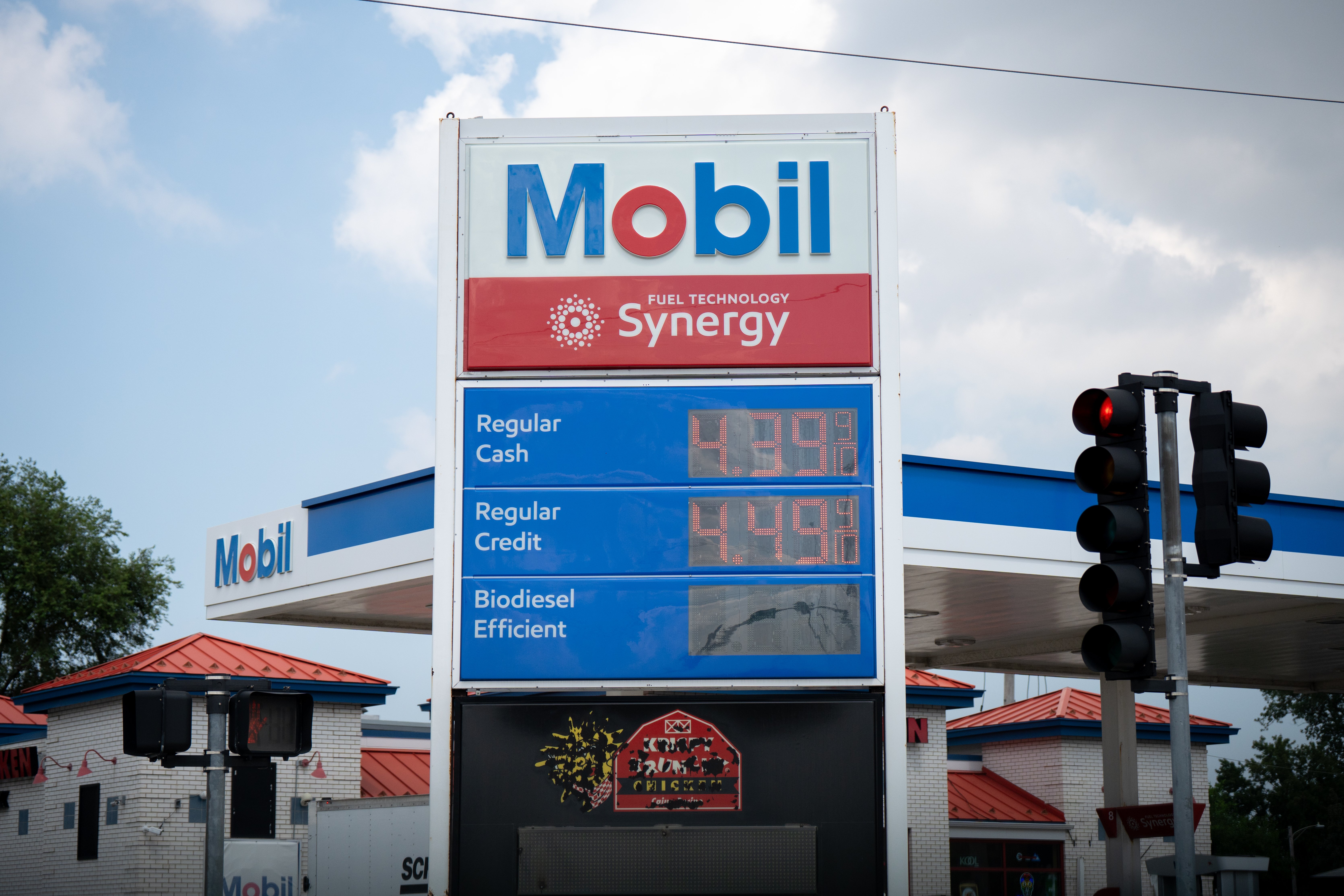
But the governor said she’s also considering action on another track especially for households that heat with oil or propane, which are likely to face high prices this fall and winter as the price of a barrel of oil hovers around $100 and the war with Iran continues.
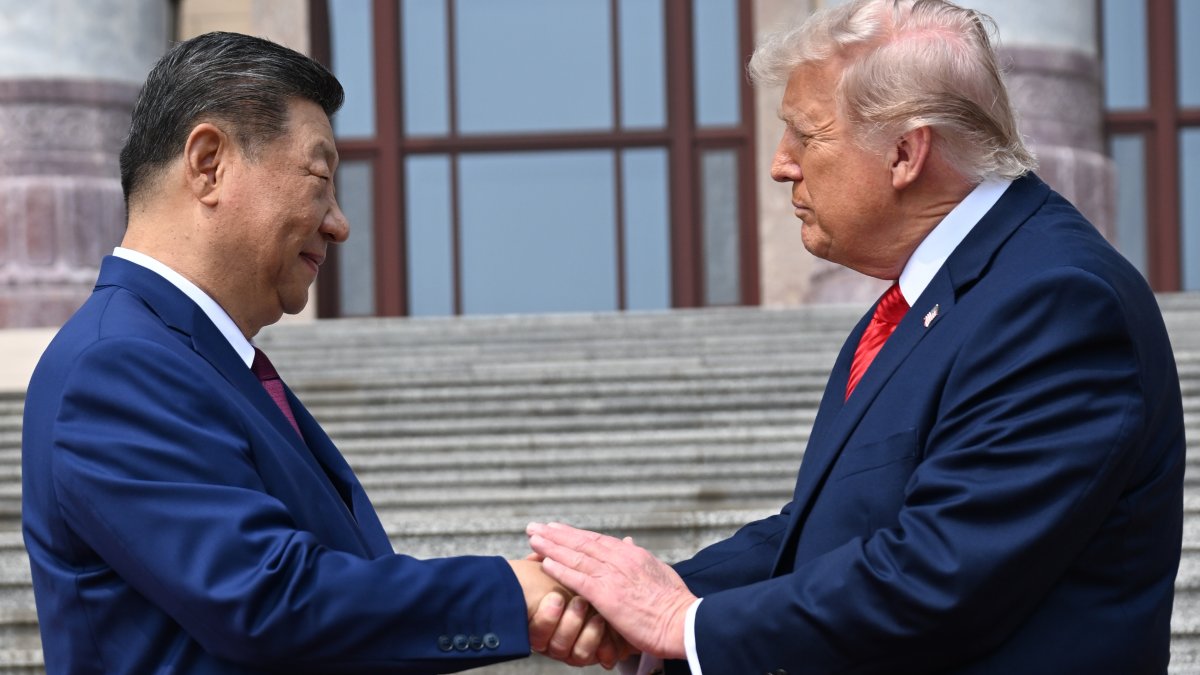
“A quarter of the people rely on oil and propane. And because of what Donald Trump is doing, people are going to see higher costs,” Healey said. “I’m talking to the team right now about what is relief we can provide to people in Massachusetts as we head into the river. What can we do to help people when, you know, Donald Trump has done these things that are going to just raise costs? I’m talking to local gas companies, you know, and they’re trying to get the word out to local oil companies, trying to get the word out to their residents, their customers, excuse me, to prepare.”
Natural gas was the top fuel used for home heating in Massachusetts in 2024, followed by electricity. Together, those sources heated more than 2 million homes or nearly 75% of the state, according to U.S. Census Bureau data reported by the Department of Energy Resources.
Oil was the primary heating fuel for more than 572,000 homes in 2024, or about 20.2% of households. Another roughly 125,000 homes, or 4.4%, were heated with propane, DOER said.
Penny in Mansfield challenged the governor’s contention that President Donald Trump is most to blame for burdensome energy bills in Massachusetts. She told Healey, “My concern is my Eversource bills. And as much as I dislike Donald Trump, I don’t think he has anything to do with the fact that I’m being charged for maintenance and infrastructure 75% of my bill when my usage is 12%.”
Healey disagreed and told Penny that Trump’s attempts to sink renewable sources like offshore wind reduces the supply of electricity available to the grid and leads to higher prices for the energy.
“Your Eversource bill, Penny, is my concern,” Healey told the caller. “And my legislation will take those charges off of your bill.”
The House says its bill (H 5151) would save ratepayers about $9 billion over 10 years and the Senate claims its bill (S 3166) would save Bay Staters about $14 billion over that time, but neither side has been able to say when residents would actually begin to feel relief from chronically-high energy bills. Healey says the bill she filed, some of which has been incorporated in the House and Senate versions, would “actually save ratepayers $13 billion over the next 10 years.”
Politically, the governor would likely welcome an energy savings bill on her desk before the Nov. 3 election. Republican candidate for governor Mike Minogue has pledged to address higher costs facing residents and businesses, and Democrats who run the Legislature will decide whether to send Healey a compromise bill before or after the election.
A caller to “Boston Public Radio” on Wednesday asked Healey why she supported a repeal of the 1982 voter law that requires proposed new nuclear fission facilities in Massachusetts to secure approval of a majority of voters through a statewide ballot initiative. Healey proposed the repeal in her bill and it was carried over into the House version.
“I filed that bill so that we could lower people’s energy costs in this state. I have also supported and all-of-the-above approach when it comes to energy because part of this is supply. You know, with more supply comes lower costs … And yes, I said that we should be looking at small mod nuclear,” Healey said, though she didn’t address the caller’s question about the risks of small modular nuclear technology. The governor added, “We’re dealing with an energy crisis, a cost crisis. We got to get energy costs down. There’s a way to do that here in Massachusetts. I need action on that energy legislation that I filed, and you know, every day I’m looking for ways to drive down energy costs.”
Healey clarified her “all-of-the-above” stance on energy later in Wednesday’s interview.
“I support all forms of energy right now, with the exception of oil and coal, of course,” she said.